Wing Chun’s Philosophy
Rooted in Buddhist and Taoist philosophies, the framework values resilience, adaptability, mindful awareness, psychological flexibility, and fierce compassion.
These elements synergistically cultivate a robust mindset and enhance your professional performance.
In a world where climate disruption, conflict, rapid change, and fragile food systems can feel overwhelming, many people are looking for ways to protect not just their bodies—but their minds, values, and sense of meaning.
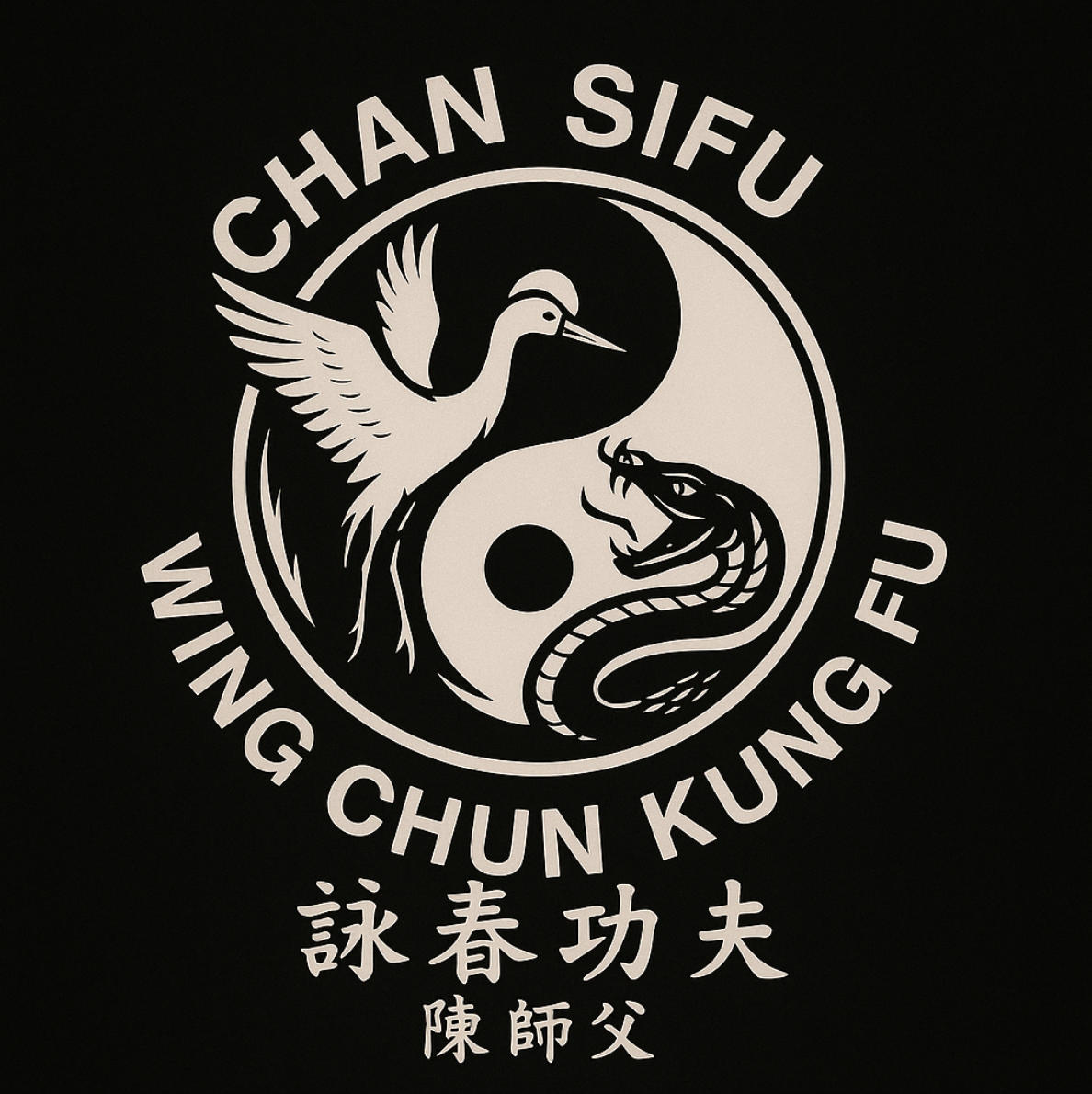
That’s where Wing Chun stands out. It began as a practical system of self-defence, shaped by the Shaolin Buddhist nun Ng Mui. But its philosophy is more than technique. Wing Chun is often symbolised by the interplay of snake and crane: the snake represents flexibility, calm precision, and the ability to move with what’s in front of you, while the crane represents structure, balance, and measured intent. In everyday terms, it teaches a person how to stay steady without becoming rigid—how to respond skillfully rather than react blindly.
Today, Wing Chun is sometimes described only as a martial art for fighting. Yet its deeper value can be translated into modern life. Through repetitive practice, students learn how to regulate emotion, stay present under pressure, and build a resilient mindset. They also develop something broader than personal confidence: discipline, ethical awareness, and belonging—because Wing Chun is trained with community, respect, and shared purpose.
Main Principles
Simplicity (Radical Non-attachment): Fosters mindfulness and compassionate awareness.
Practicality (Skillful Adaptation): Enhances flexibility, creativity, and dynamic engagement.
Efficiency (Self-Control): Supports effortless goal-setting and nonconscious regulation.
Effectiveness (Embodied Empowerment): Increases agency, groundedness, and engagement.
Directness (Psychological Hardiness): Develops resilience, fierce compassion, and growth from adversity.

Why Choose Me?
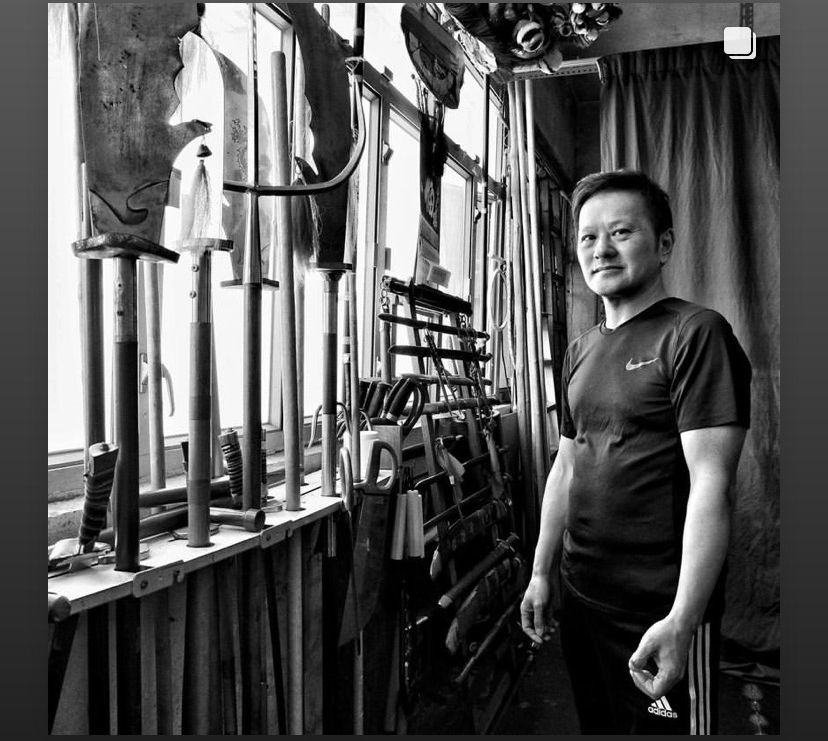
25+ Years of Dedicated Practice: A deep-rooted journey in Wing Chun beginning in 1997, establishing a long-term commitment to the art.
Dual-Lineage Expertise: A unique pedagogical blend of the Kamon Martial Art Federation (modern/practical) and the Lee Shing Lineage (traditional/pure).
Elite Mentorship: Trained under Master Kevin Chan (Kamon founder) and Master Joseph Lee (a direct, closed-door student of the legendary Lee Shing).
Proven Instructional Authority: Extensive experience not just as a practitioner, but as a formal instructor under the Kamon banner, refining the ability to transmit complex skills to others.